

Difference Between Vitamin D and Vitamin D3: What You Need to Know
BestDoctorsInTheCity.com
March 20, 2026
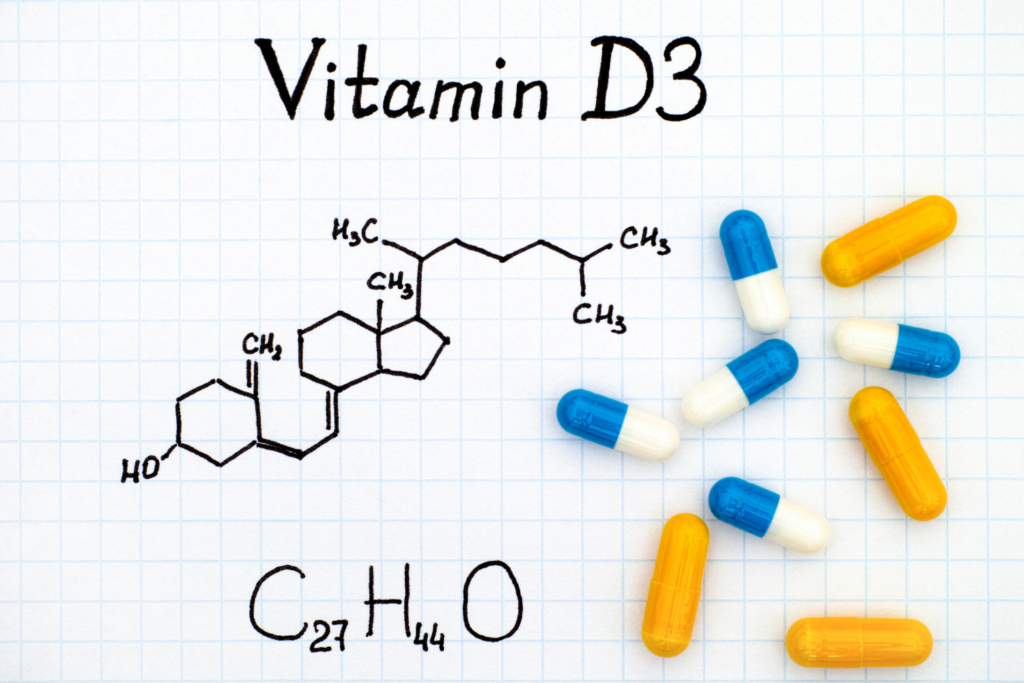
Vitamin D is a fat-soluble nutrient that supports bone health, immunity, and calcium absorption. It comes in two main forms: Vitamin D2 (ergocalciferol) and Vitamin D3 (cholecalciferol). Vitamin D3 is generally more effective at raising and maintaining blood vitamin D levels, making it the preferred form in most supplements.
Are you confused about the difference between Vitamin D and Vitamin D3? You’re not alone. Many people use these terms interchangeably, but there are important distinctions between them—especially when it comes to supplements and improving your overall health.
In this guide, we’ll break down the core differences, their benefits, natural sources, and how to choose the best option for your body. We’ll also answer the most searched questions related to Vitamin D vs D3, Vitamin D3 benefits, and dosage guidelines.

What is Vitamin D?
Vitamin D is a fat-soluble vitamin essential for maintaining healthy bones, supporting your immune system, regulating mood, and improving calcium absorption. But Vitamin D isn’t just one substance—it’s actually a group of related compounds.
There are two primary forms of Vitamin D:
- Vitamin D2 (ergocalciferol) – derived from plant sources
- Vitamin D3 (cholecalciferol) – derived from animal sources and sunlight
Both forms are commonly referred to as “Vitamin D” in supplements and foods, but their effectiveness in the body varies significantly.
What is Vitamin D3?
Vitamin D3, or cholecalciferol, is the most bioavailable and effective form of Vitamin D. It is synthesized in the skin when exposed to sunlight, particularly UVB rays. It is also found in some animal-based food products and is the preferred form used in most high-quality supplements.
Compared to Vitamin D2, Vitamin D3 is more potent, stays longer in the bloodstream, and raises serum Vitamin D levels more efficiently.
Sources of Vitamin D and D3
- Natural Sources of Vitamin D (D2 and D3)
- Mushrooms – Especially UV-exposed varieties; these offer Vitamin D2, the plant-based form.
- Sunlight Exposure – The most natural source of Vitamin D3, synthesized in the skin.
- Fatty Fish – Salmon, mackerel, tuna (rich in D3).
- Cod Liver Oil – Highly concentrated in Vitamin D3.
- Egg Yolks – Contain small amounts of Vitamin D3.
Fortified Foods (Typically Contain D2 or D3)
- Fortified plant-based milks (soy, almond, oat)
- Fortified milk and dairy products
- Fortified cereals and orange juice
Supplement Sources
- Vitamin D3 supplements (cholecalciferol) – Derived from animal sources (lanolin or fish oil); also available in vegan forms from lichen.
- Vitamin D2 supplements (ergocalciferol) – Usually plant-sourced.
Health Benefits of Vitamin D
- Supports Bone Health: Vitamin D is essential for calcium absorption in the body, which helps maintain strong bones and prevent conditions like osteoporosis and rickets.
- Boosts Immune Function: Adequate levels of Vitamin D can enhance the immune system’s ability to fight off infections and reduce the risk of autoimmune diseases.
- Improves Mood and Mental Health: Research suggests that Vitamin D may play a role in regulating mood and warding off depression, with some studies linking deficiency to increased risk of mood disorders.
- Promotes Heart Health: Vitamin D may help regulate blood pressure and support overall cardiovascular health, potentially lowering the risk of heart disease.
- Aids in Weight Management: Some studies indicate that adequate Vitamin D levels can assist in weight loss efforts and support metabolism, which is beneficial for maintaining a healthy weight.
- Enhances Muscle Function: Vitamin D is important for muscle strength and function, reducing the risk of falls and fractures, especially in older adults.
Health Benefits of Vitamin D3
- Supports Bone Health: Vitamin D3 plays a crucial role in calcium absorption, which is essential for maintaining strong and healthy bones. It helps prevent osteoporosis and reduces the risk of fractures.
- Enhances Immune Function: Adequate levels of Vitamin D3 can boost the immune system, helping the body fend off infections and reducing the risk of autoimmune diseases.
- Improves Mood and Mental Health: Research suggests that Vitamin D3 may help alleviate symptoms of depression and anxiety. It supports brain health and may contribute to overall emotional well-being.
- Promotes Heart Health: Vitamin D3 has been linked to improved cardiovascular health by regulating blood pressure and reducing inflammation, potentially lowering the risk of heart disease.
- Supports Muscle Function: This vitamin is vital for muscle strength and function, which is especially important as we age. Adequate Vitamin D3 levels can enhance physical performance and reduce the risk of falls.
- May Reduce Cancer Risk: Some studies suggest that Vitamin D3 may play a role in reducing the risk of certain cancers, including colorectal, breast, and prostate cancer, by promoting healthy cell growth and differentiation.
Difference Between Vitamin D and D3
| Feature | Vitamin D | Vitamin D3 |
| Meaning | Generic term for Vitamin D2 and D3 | Specific form of Vitamin D |
| Type | Includes D2 (ergocalciferol) and D3 | One form—D3 |
| Source | Sunlight, fortified foods, supplements | Sunlight, animal-based foods, supplements |
| Effectiveness | Varies (D2 is less effective) | More effective and longer-lasting in the body |
| Supplement Form | May be D2 or D3 | Clearly labeled as D3 (preferred) |
| Absorption | Moderate (especially D2) | High absorption and bioavailability |
| Common Use | Generic labeling on foods/supplements | Medical-grade and preferred for deficiency treatment |
Risks of Deficiency in Both
- Mental Health Issues: Discuss how deficiencies in both nutrients and emotional support can lead to increased anxiety, depression, and overall poor mental well-being.
- Nutritional Deficiencies: Explore the health risks associated with lacking essential vitamins and minerals, such as fatigue, weakened immune function, and impaired cognitive abilities.
- Chronic Diseases: Highlight the correlation between deficiencies in key nutrients and the increased risk of developing chronic diseases like diabetes, heart disease, and osteoporosis.
- Impaired Physical Performance: Examine how deficiencies in both physical fitness and essential nutrients can lead to decreased stamina, muscle weakness, and slower recovery times.
- Hormonal Imbalances: Investigate how deficiencies in specific vitamins and minerals can disrupt hormonal balance, leading to issues such as irregular menstrual cycles, mood swings, and metabolic problems.
- Cognitive Decline: Analyze the impact of nutrient deficiencies on brain health, including risks of memory loss, reduced concentration, and increased susceptibility to neurodegenerative diseases.
In summary, while both Vitamin D and Vitamin D3 play crucial roles in maintaining overall health, they are not entirely the same. Vitamin D encompasses a broader category that includes various forms, with Vitamin D3 being the most effective and commonly recommended for supplementation. Understanding the differences between these two forms can help individuals make informed choices about their health and nutrition. As more research continues to emerge, it’s vital to stay updated on the benefits and sources of Vitamin D and D3. For optimal health, consider discussing your Vitamin D levels with a healthcare professional to determine the best approach for your needs.
Also read: Low Energy, Weight Gain, and Mood Swings in Men? It could be Andropause
Risks of Deficiency in Both
No, Vitamin D is a general term that includes both D2 and D3. D3 is more effective and preferred in supplements.
Vitamin D3 is better absorbed and stays in the body longer than D2.
Yes, daily supplementation is safe when taken within recommended limits (usually 1000–2000 IU).
Fatty fish, egg yolks, liver, and fortified dairy products are good sources.
Common signs include fatigue, muscle weakness, low immunity, and bone pain. A blood test confirms deficiency.
Take it with a fat-containing meal in the morning or early afternoon for better absorption.
Moderate sun exposure helps, but it may not be sufficient for everyone—especially in winter or urban areas.
Yes. Extremely high doses can cause toxicity. Always consult your doctor before taking high-dose supplements.
Most D3 is animal-derived, but vegan D3 from lichen is available.
It can take a few weeks to months to see improvement, depending on your deficiency level.